


Functional and Integrative Health in Brea, Orange County, California, Serving Patients Across California, Arizona, Nevada, Oregon, and Washington
Introduction: The Halloween Mystery Hiding Behind Your Walls

Picture this: You walk into a room and notice a musty smell. Maybe there's a faint stain near the ceiling, condensation around the windows, or a patch of discoloration hiding behind a cabinet. You clean what you can see, open a window, and move on with your day.
But what if moisture is collecting somewhere you cannot see?
No ghosts are necessary. Sometimes, the real mystery is hidden mold.
Mold may grow behind drywall, beneath flooring, around leaking pipes, or in areas where condensation repeatedly forms. In addition to damaging a home, damp indoor environments have been associated with respiratory symptoms, allergies, and worsening asthma. Some people may notice sneezing, congestion, itchy eyes, coughing, or wheezing when they spend time in a damp or moldy environment. Others may have no noticeable symptoms at all. [1,2]
That does not mean mold explains every headache, episode of fatigue, digestive complaint, or unexplained health change. Symptoms can have many causes, and it is important not to jump to conclusions.
This Halloween, Mindspark Health is looking beyond the spooky stories to explore what science actually tells us about hidden mold, indoor air quality, and human health. If you have been wondering whether your living environment could be affecting how you feel, here is what you should know, including the warning signs worth investigating and the practical steps you can take.
What Is Hidden Mold, and Why Can It Be Difficult to Find?
Hidden mold is fungal growth that develops in places that are difficult to see or reach, such as behind walls, under flooring, inside damp building materials, or around plumbing and air conditioning systems.
Mold is a natural part of the environment. Tiny mold spores are present both indoors and outdoors, and they can enter a home through windows, doors, ventilation systems, clothing, shoes, and pets. Their presence alone does not mean a home has a mold problem.
The concern begins when spores land on materials that stay damp long enough to support growth. Mold can develop on drywall, wood, carpet, ceiling tiles, insulation, and other materials when moisture is present. Leaks, flooding, persistent condensation, and excess humidity can all contribute. [2,3]
Where might hidden mold grow?
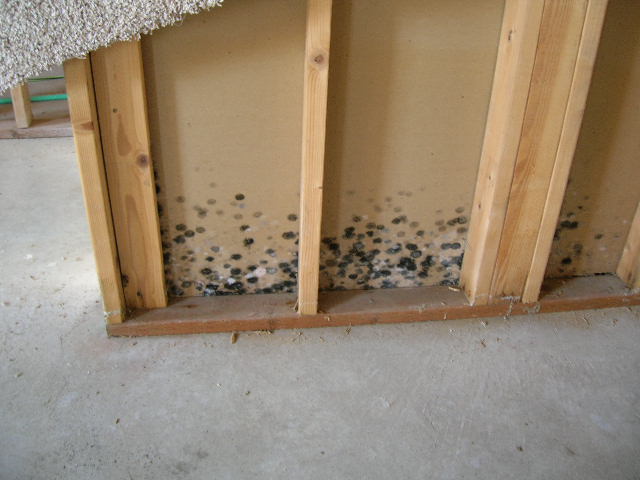
Behind walls and ceilings
A slow plumbing leak or roof leak can leave building materials damp even when the visible surface looks relatively normal.
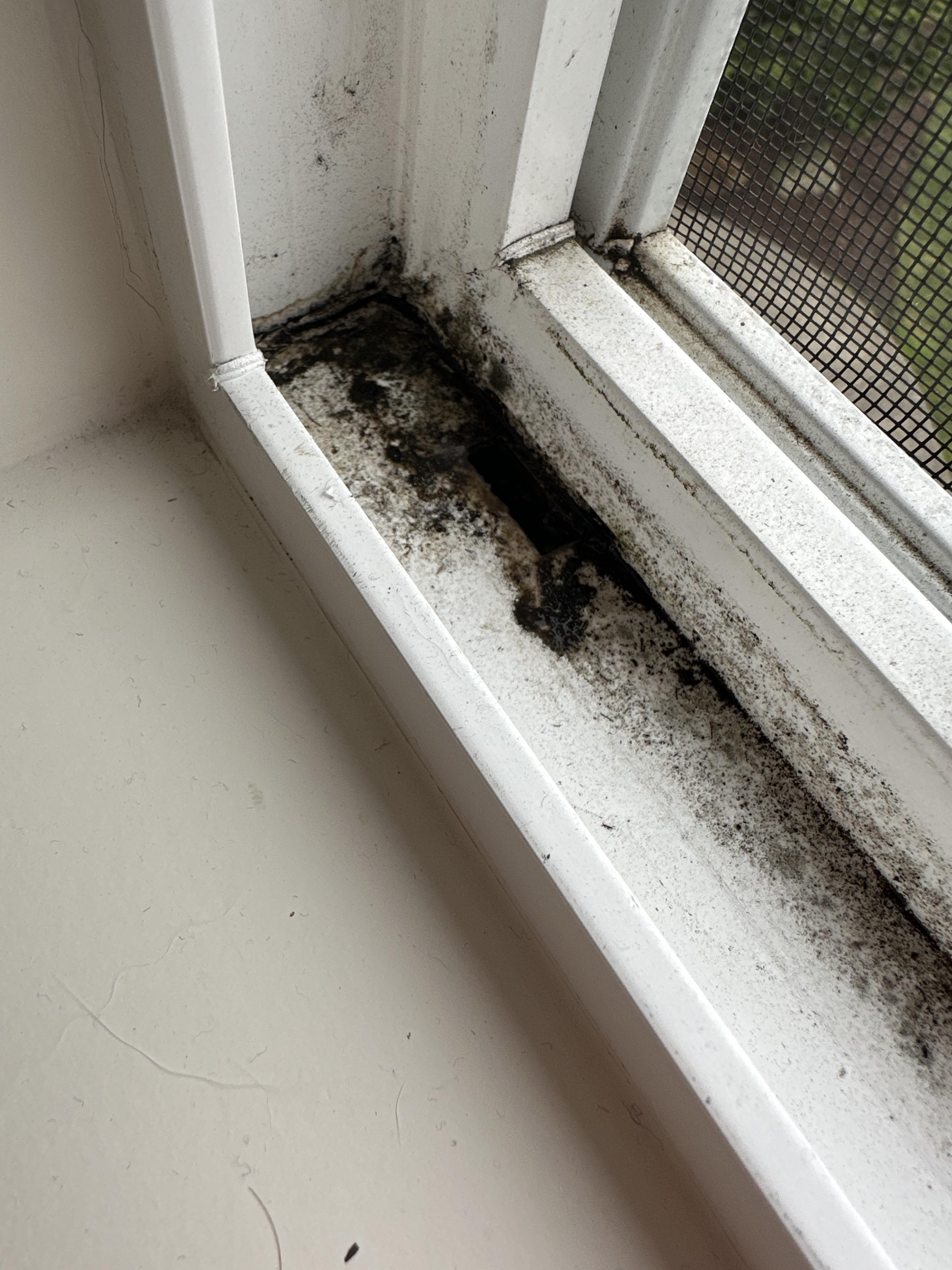
Around windows and exterior walls
Repeated condensation can create damp spots where mold may grow over time.
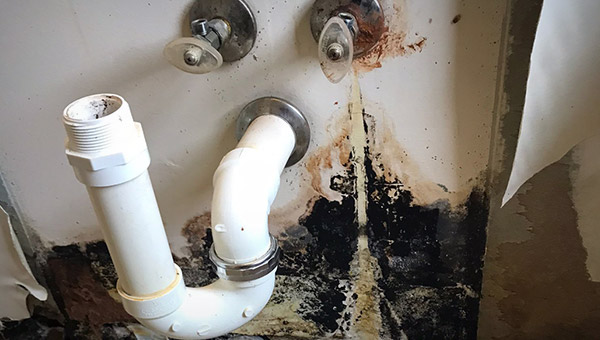
Under sinks and near plumbing
Small, persistent leaks can go unnoticed inside cabinets or beneath fixtures.
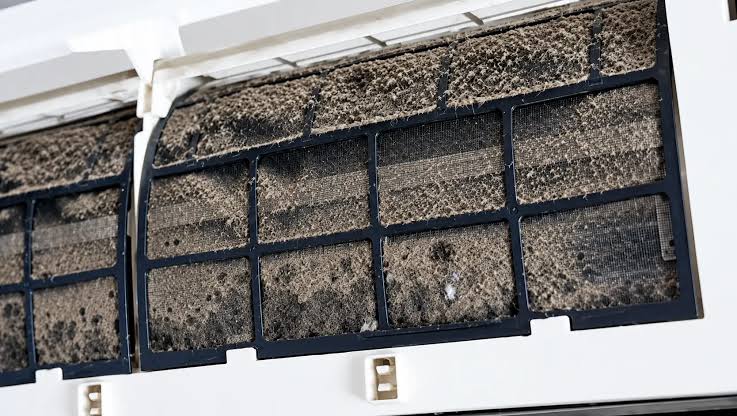
Around air conditioning and ventilation systems
Drainage problems, leaks, or moisture near HVAC components can create conditions that support mold growth.
The important clue is not simply whether a home looks old or smells unusual. It is whether there is a source of moisture and whether that moisture is allowing mold to grow.
Why a musty smell deserves attention
A persistent musty odor may suggest dampness or microbial growth, even if you cannot see mold. However, odor alone cannot identify the specific cause, determine the type of mold present, or establish whether the environment is making someone ill.
The US National Institute for Occupational Safety and Health, or NIOSH, notes that a careful visual inspection and attention to musty odors can be more useful for identifying building dampness than routine short term air sampling. [3]
Think of the smell as a reason to investigate the moisture source, not as a diagnosis.
How Can Mold in Your Home Affect Your Health?
Mold and damp indoor environments can affect people differently. The clearest established concerns involve allergies, irritation of the eyes and airways, and respiratory problems, particularly in people with asthma or mold allergies. [1,2]
Here is how those effects may appear in everyday life.
1. Allergy symptoms that seem to linger
For people who are sensitive to mold, exposure can trigger symptoms such as:
- Sneezing and a runny or stuffy nose
- Itchy, red, or watery eyes
- Throat irritation
- Skin irritation or rash
These symptoms can resemble seasonal allergies or reactions to dust and other indoor allergens. Their presence does not prove that mold is responsible. A healthcare professional can help evaluate possible causes and determine whether allergy assessment or other care may be appropriate. [1]
2. Coughing, wheezing, or worsening asthma
People with asthma may experience increased coughing, wheezing, chest tightness, or shortness of breath when exposed to triggers in their environment. Damp or moldy indoor spaces can be one factor that worsens asthma symptoms.
If breathing symptoms repeatedly become worse in a particular building, that pattern is worth discussing with a healthcare professional. It is also worth addressing the building conditions rather than relying only on symptom management.
Seek urgent medical attention for severe difficulty breathing. Do not wait for a mold inspection or an appointment if you are experiencing a medical emergency.
3. Irritation even without a diagnosed mold allergy
Mold does not affect only people with a known allergy. Damp buildings may contain a mixture of mold, other microorganisms, particles, and compounds released by damaged building materials. These exposures can irritate the eyes, nose, throat, skin, or lungs in some people. [2,3]
This is one reason a damp building can be worth investigating even when nobody in the household has previously been diagnosed with a mold allergy.
4. More serious problems in certain people
Some people need extra caution. People with weakened immune systems or chronic lung disease may be at greater risk of certain fungal infections. Rare inflammatory lung conditions, including hypersensitivity pneumonitis, can also occur in susceptible people exposed to particular environmental substances. These conditions require medical evaluation and should not be self diagnosed. [1,2]
What about fatigue, headaches, brain fog, or digestive symptoms?
This is where the conversation requires particular care.
People sometimes report fatigue, headaches, difficulty concentrating, or other nonspecific symptoms while living or working in damp buildings. However, these symptoms can arise from many different causes, and the evidence does not establish that indoor mold is the explanation for every person who experiences them.
A World Health Organization review found strong evidence linking damp or moldy buildings with several respiratory outcomes, including asthma exacerbation and respiratory symptoms. It also discussed uncertainty around some other reported effects and the difficulty of identifying the exact agents responsible for health outcomes in complex indoor environments. [4]
If you have persistent fatigue, headaches, concentration difficulties, digestive symptoms, or other unexplained concerns, it is reasonable to discuss them with a qualified healthcare professional. The evaluation should consider your full health history and other possible causes instead of assuming mold is the answer.

What Does the Research Actually Say About Mold Exposure?
The research supports taking persistent indoor dampness and mold seriously. It does not support treating every symptom as proof of mold toxicity.
Three sources help explain the evidence.
The CDC and NIOSH: Mold can affect respiratory health
The Centers for Disease Control and Prevention and NIOSH identify associations between damp indoor environments and respiratory symptoms, respiratory infections, worsening asthma, allergic rhinitis, and eczema. Mold exposure may also cause irritation in people without a known mold allergy. [1,2]
What this means: If you have asthma or recurring allergy symptoms and notice a possible connection with a damp environment, it is sensible to investigate the environment and seek appropriate medical advice.
What this does not mean: A list of symptoms cannot establish that someone has mold related illness. A clinician must consider other possible explanations.
The World Health Organization: Persistent dampness is a key concern
The WHO's Guidelines for Indoor Air Quality: Dampness and Mould, published in 2009, reviewed scientific evidence on moisture, microbial growth, and health. The review concluded that persistent dampness and mold growth should be prevented or minimized because damp indoor environments are associated with increased respiratory symptoms, allergies, and asthma related outcomes. [4]
The WHO also emphasized that the exact biological and chemical agents responsible for particular health effects cannot always be identified precisely.
What this means: Preventing and correcting moisture problems is an important public health measure, even when it is not possible to identify one specific mold species or substance as the cause of symptoms.
NIOSH: Routine air sampling has important limitations
NIOSH explains that there are no health based standards for acceptable mold concentrations in indoor air and does not recommend routine mold air sampling as a standard part of building air quality evaluations. Short term samples may not reflect actual exposure, and the results cannot reliably be translated into a person's health risk. [3]
What this means: A mold inspection should not focus only on a laboratory report or a spore count. Visible growth, musty odors, water damage, and the underlying moisture source are important clues.
A negative air sample does not necessarily rule out a moisture problem, and a positive result alone does not diagnose a medical condition.
The evidence at a glance

Is “Toxic Mold” Different From Other Mold?
The phrase “toxic mold” can sound frightening, especially around Halloween. But it is often used without enough scientific context.
Some molds can produce substances called mycotoxins, which are toxins produced by certain fungi under particular conditions. Not every mold produces mycotoxins, and the presence of a mold species does not automatically tell you whether a harmful exposure has occurred.
NIOSH explains that molds capable of producing mycotoxins should still be addressed as a moisture and mold problem in a building. Mold color alone does not reliably determine how dangerous it is. [3]
Black mold is not automatically more dangerous simply because it is black. Appearance cannot reliably identify the species or establish the level of health risk.
It is also important not to confuse two different questions:
- Is there a dampness or mold problem in the building? This is an environmental question that may require inspection and remediation.
- Is that environment contributing to a person's symptoms? This is a medical question that requires an appropriate clinical evaluation.
Both questions matter, but neither can be answered reliably by a social media checklist or a mold photograph alone.
Could Hidden Mold Be Affecting You? Signs Worth Investigating
There is no single symptom checklist that can confirm mold related illness. Still, certain patterns may help you decide whether to investigate your home or workplace.
Consider looking more closely if:
- You notice a persistent musty odor in a particular room.
- You see recurring water stains, peeling paint, bubbling surfaces, or visible mold.
- A roof, window, plumbing fixture, or air conditioning system has leaked.
- You have had flooding or water damage that may not have dried completely.
- You notice condensation or dampness that keeps returning.
- You experience allergy or respiratory symptoms and suspect an environmental trigger.
Pay attention to the building conditions, not only the symptoms. A damp wall or repeated leak deserves attention even if nobody feels unwell.
If symptoms appear to worsen in one environment and improve elsewhere, share that observation with your healthcare professional. It may help guide the assessment, although it does not prove mold is responsible.
What Should You Do If You Suspect Hidden Mold?
You do not need to turn your home into a crime scene or buy every mold testing kit available. Start with practical steps.
Step 1: Look for moisture
Check areas around sinks, windows, ceilings, plumbing, and air conditioning equipment. Look for visible growth, water stains, condensation, and musty odors. Do not open walls or disturb heavily moldy materials yourself.
Step 2: Address the source of moisture
Repair leaks, correct drainage problems, and reduce persistent dampness. Cleaning visible mold without fixing the water problem often allows it to return. [5]
Step 3: Know when to call a professional
The US Environmental Protection Agency says small areas of mold, generally less than about 10 square feet, can often be cleaned by homeowners, depending on the circumstances. Extensive growth, significant water damage, sewage contamination, or suspected HVAC contamination may require professional help. People with health concerns should seek medical advice before cleanup. [6]
Step 4: Get persistent symptoms evaluated
If you have ongoing coughing, wheezing, congestion, eye irritation, or other concerns, a healthcare professional can assess possible causes and recommend appropriate care. People with asthma, chronic lung disease, or weakened immune systems should be especially cautious.

Should you buy a mold test?
Not necessarily. A home test may identify mold in a sample, but it may not tell you whether that mold is responsible for your symptoms or how much risk it poses to your health.
NIOSH does not recommend routine short term indoor air sampling as a reliable way to assess mold related health risk. In many situations, investigating visible dampness, water damage, and musty odors is a more useful starting point. [3]
If an inspection is needed, consider the specific question you want answered and consult an appropriately qualified building or indoor environmental professional. Medical testing and environmental inspection answer different questions.
Can Functional Medicine Help You Understand Mold Related Health Concerns?
Functional and integrative healthcare often takes a broad look at a person's health history, symptoms, lifestyle, medications, and possible environmental factors. That broader view can be useful when someone has ongoing concerns and wants help understanding what to discuss with their healthcare provider.
However, a functional medicine approach should still follow the evidence. It should not assume that mold is the root cause of unexplained symptoms or recommend expensive testing and supplements without a clear clinical reason.
What a thoughtful evaluation may include
Depending on the person's situation, a healthcare consultation may involve:
- A detailed health history: When symptoms started, whether they change in different environments, and what other health conditions may be relevant.
- A review of symptoms and possible explanations: Allergies, asthma, infections, medication effects, sleep problems, and other conditions may need to be considered.
- A medication and supplement review: This helps identify existing treatments, possible interactions, and unnecessary products.
- Appropriate testing when indicated: Testing should be selected according to the symptoms, examination, and clinical question, rather than ordering a broad panel simply because mold is suspected.
- A practical plan: This may include medical treatment, environmental changes, coordination with other professionals, and follow up to reassess symptoms.
No single protocol is appropriate for everyone. A healthcare professional should explain why a test is being considered, what its results can and cannot tell you, and how the results could change your care.
What about mold detoxes and mycotoxin supplements?
Products marketed as mold detoxes, binders, or supplements that claim to remove toxins are often promoted online. The fact that a product is marketed for mold exposure does not establish that it is effective or necessary.
There is no universal supplement regimen that has been shown to safely resolve all symptoms attributed to indoor mold. Supplements can also cause side effects, interact with medications, or delay evaluation of another condition.
Before starting a detox product or making major changes to prescribed treatment, discuss your situation with a qualified healthcare professional. The priority is to identify credible environmental concerns, evaluate symptoms appropriately, and use treatments supported by evidence.