.webp)

Functional Medicine in Brea, Orange County, California, Serving Patients Across California, Arizona, Nevada, Oregon & Washington
If you've been living or working in a water-damaged building and are experiencing unexplained fatigue, brain fog, chronic pain, sinus issues, or a constellation of symptoms that no one can seem to figure out, you may be dealing with mold illness, also known as Chronic Inflammatory Response Syndrome (CIRS). And one of the most important tools in the recovery process is cholestyramine (CSM).
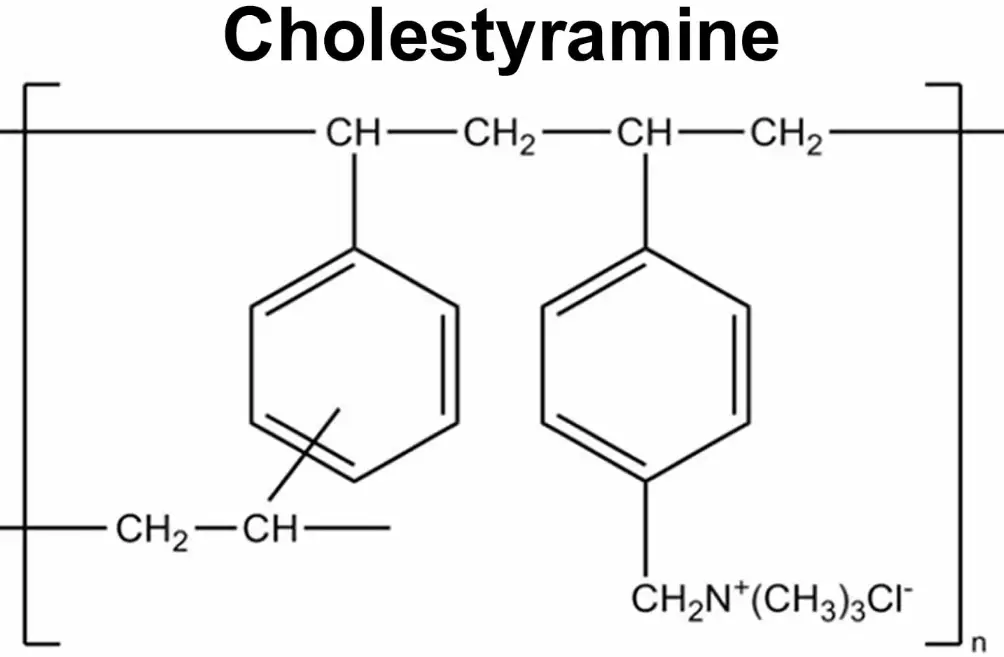
Cholestyramine is a bile acid sequestrant, a non-absorbed resin that binds toxins in the gut and removes them from the body through the stool. In the context of mold illness, it acts as a powerful biotoxin binder, trapping mycotoxins and other inflammatory compounds that would otherwise be reabsorbed through the enterohepatic circulation and continue fueling systemic inflammation.
At Mindspark Health, cholestyramine for mold illness is now available through our telehealth platform, meaning patients across California, Arizona, Nevada, Oregon, and Washington can get evaluated, diagnosed, and started on a treatment protocol from home.

What Is Mold Illness (CIRS)?
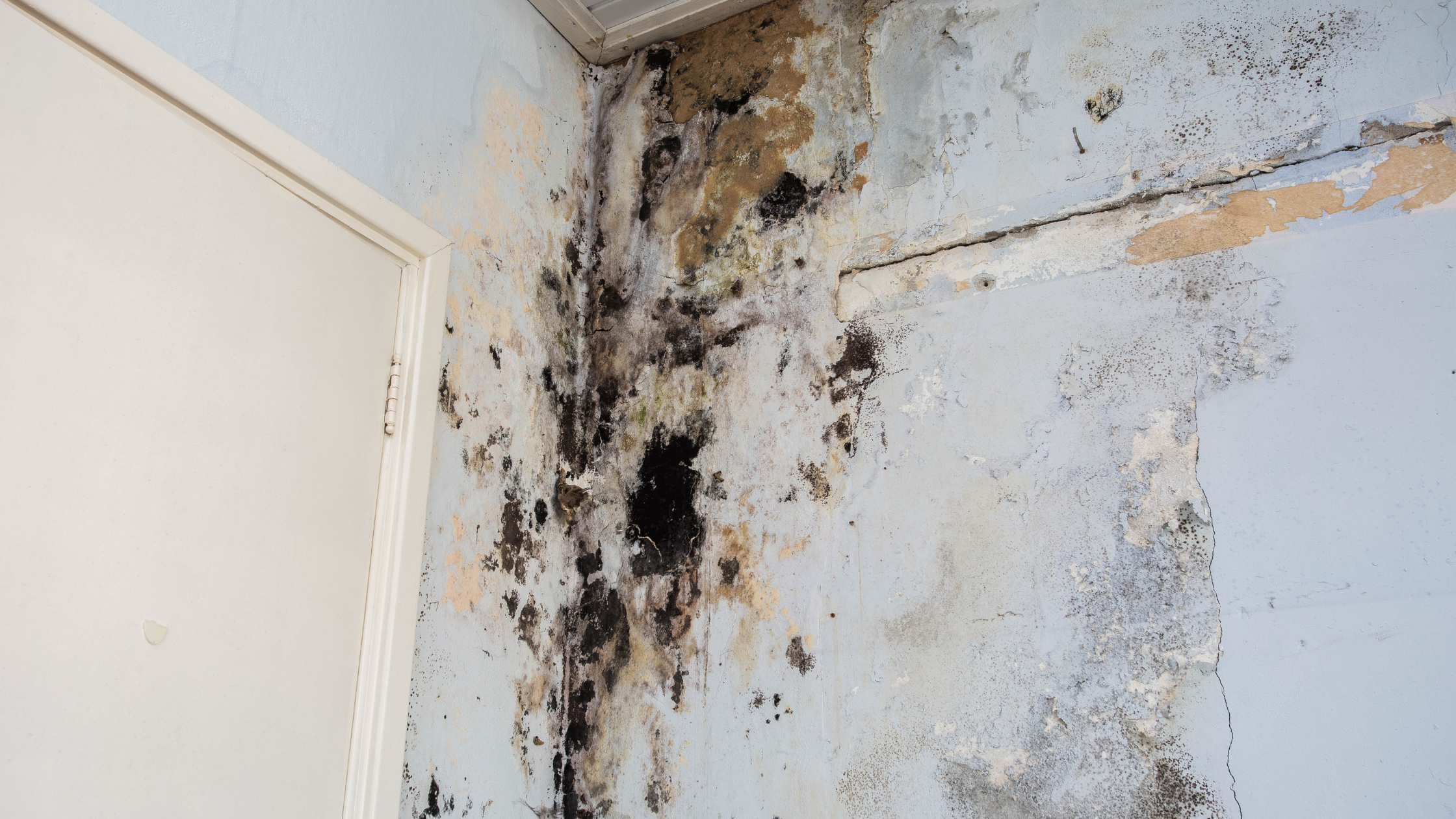
Mold illness, formally described as Chronic Inflammatory Response Syndrome (CIRS), is a multi-system, multi-symptom condition triggered by exposure to the interior environment of water-damaged buildings (WDBs).
These environments contain a complex mixture of mold spores, mycotoxins, bacteria, endotoxins, and volatile organic compounds that can trigger a persistent inflammatory cascade in genetically susceptible individuals.
Common symptoms include, but not limited to:
- Chronic fatigue and weakness
- Brain fog, difficulty concentrating, and memory problems
- Headaches and migraines
- Sinus congestion and chronic respiratory issues
- Joint and muscle pain
- Numbness, tingling, and metallic taste
- Sensitivity to light, chemicals, and odors
- Mood changes, anxiety, and depression
- Digestive issues (bloating, diarrhea, abdominal pain)
- Unexplained weight gain or difficulty losing weight
Research has shown that mold exposure triggers a pro-inflammatory cytokine response with measurable abnormalities in biomarkers including MMP-9, TGF-β1, C4a, VEGF, leptin, and alpha-melanocyte stimulating hormone (MSH).
Structural brain changes, including atrophy of the caudate nucleus, have been documented on volumetric MRI in CIRS patients.
.png)
How Does Cholestyramine Work as a Toxin Binder?
Cholestyramine is a positively charged, non-digestible resin that works entirely within the gastrointestinal tract, it is not absorbed into the bloodstream.
Here's how it helps in mold illness:
1. Binds biotoxins in the gut. Many mycotoxins (including ochratoxin A, fumonisins, and zearalenone) are excreted by the liver into bile and then reabsorbed in the intestines through a process called enterohepatic recirculation. This recycling keeps toxins circulating in the body indefinitely.
2. Breaks the recirculation cycle. Cholestyramine binds these toxins in the intestinal lumen, forming an insoluble complex that cannot be reabsorbed. The bound toxins are then eliminated in the stool.
3. Reduces the toxic burden. By preventing reabsorption, cholestyramine accelerate the body's natural detoxification process, reducing the overall biotoxin load and allowing the inflammatory cascade to subside.
In a double-blinded, placebo-controlled clinical trial, patients with sick building syndrome who received 2 weeks of cholestyramine therapy showed highly significant improvement in symptoms (from a mean of 23 symptoms down to 4) and a 65% improvement in visual contrast sensitivity (VCS), a neurological marker of biotoxin exposure. Patients who received placebo showed no improvement during the same period, but improved significantly once they were switched to cholestyramine. [1]
Research has also confirmed cholestyramine's effectiveness as a mycotoxin binder in laboratory and animal studies. Cholestyramine bound 96% of ochratoxin A at tested concentrations, significantly reduced plasma toxin levels, and prevented mycotoxin-induced damage. [6]
How to Take Cholestyramine: The Do's
Proper administration is essential for cholestyramine to work effectively and safely:
● Always mix with liquid before taking. Place the powder in a glass and add at least 2–6 ounces of water or another beverage. Stir to a uniform consistency. It can also be mixed with highly fluid soups or pulpy fruits like applesauce.
● Never take the dry powder by itself. Cholestyramine must always be dissolved in liquid before ingestion.
● Start low and increase gradually. Always consult your provider to know the dose most appropriate for you! A typical starting approach is one dose daily, gradually increasing as tolerated to reduce the risk of gastrointestinal side effects, particularly constipation.
● Stay well hydrated. Drink plenty of water throughout the day. Cholestyramine can be constipating, and adequate hydration helps maintain regular bowel movements.
● Maintain good oral hygiene. Sipping or holding the suspension in the mouth for prolonged periods may lead to tooth enamel erosion or discoloration. Drink it promptly and rinse your mouth afterward.
● Supplement with fat-soluble vitamins. Cholestyramine can interfere with the absorption of vitamins A, D, E, and K as well as folic acid. Supplementation with water-miscible forms of these vitamins is recommended during prolonged use.
● Take on an empty stomach when used for biotoxin binding. In the context of mold illness, many functional health providers recommend taking cholestyramine 30 minutes before or 2 hours after meals to maximize toxin binding rather than bile acid binding. Discuss the optimal timing with your provider.

What NOT to Do: Critical Warnings
● Do NOT take other medications at the same time. Cholestyramine binds many drugs and can dramatically reduce their absorption. Take all other medications at least 1 hour before or 4-6 hours after cholestyramine. This includes, but not limited to:
● Thyroid medications (levothyroxine)
● Blood thinners (warfarin)
● Heart medications (digitalis, propranolol)
● Antibiotics (tetracycline, penicillin G)
● Hormones (estrogens, progestins)
● Diuretics (thiazides)
● Phenobarbital
● Do NOT take supplements at the same time. Vitamins, minerals, and other supplements should also be separated from cholestyramine by the same time window.
● Do NOT ignore constipation. If constipation develops, do not simply push through. Constipation can slow toxin elimination and worsen symptoms. Increase water intake, add magnesium supplementation, and discuss bowel support strategies with your provider.
● Do NOT continue if you experience severe GI symptoms without consulting your provider. While mild bloating and constipation are common, severe abdominal pain, fecal impaction, or worsening symptoms should be evaluated promptly.
● Do NOT use cholestyramine as a standalone treatment. Toxin binding is only one step in mold illness recovery. Without removing yourself from the exposure source, cholestyramine alone will not resolve the illness. The clinical trial data clearly showed that patients who re-entered water-damaged buildings without cholestyramine relapsed within 3 days.
● Use caution in patients with renal insufficiency, volume depletion, or those taking spironolactone, as prolonged use may produce hyperchloremic acidosis.





.webp)
.png)
.png)
.webp)






.webp)