By Mindspark Health | Functional and Integrative Health in Brea, Orange County, California, Serving Patients Across California, Arizona, Nevada, Oregon, and Washington
Introduction: Can You Enjoy Halloween Without the Blood Sugar Fright?
Halloween has its costumes, haunted houses, pumpkin carving, and, of course, candy. But if you live with diabetes or are trying to manage your blood sugar, the candy aisle can feel a little more frightening than usual.
Should you avoid every sweet? Is one piece of candy enough to send your glucose soaring? And what happens when the trick or treating is over and a whole bucket of treats is sitting on the kitchen counter?
Here is the good news: having diabetes does not automatically mean giving up Halloween candy. With planning, portion awareness, and a clear understanding of how carbohydrates affect blood glucose, many people can enjoy their favorite treats while following their individual care plan. The American Diabetes Association specifically encourages planning ahead so children and adults with diabetes can take part in Halloween festivities. [1,2]
At Mindspark Health, we believe health education should help people make informed choices without creating unnecessary fear or guilt. This Halloween, let us look at what really happens to blood sugar after eating candy, which habits can help, and when a little extra planning may make the holiday easier.
A blood sugar spike is a rise in the amount of glucose circulating in your bloodstream after eating or drinking. Glucose is a major source of energy for your body, and carbohydrates are one of the main nutrients that raise blood glucose levels.
When you eat carbohydrates, your digestive system breaks much of them down into glucose. That glucose enters your bloodstream. The hormone insulin helps move glucose from the blood into cells, where it can be used for energy or stored.
In people with diabetes, the body either does not make enough insulin, cannot use insulin effectively, or experiences a combination of these problems. As a result, blood glucose can rise higher than intended or remain elevated for longer.
Candy can contribute to a blood sugar spike because many sweets contain a concentrated amount of carbohydrates in a relatively small serving. But the effect depends on the amount eaten, the type of candy, what else you eat, your activity, your medication, and your individual glucose response. [3,4]
Is sugar the only thing that raises blood glucose?
No. Carbohydrates include sugars, starches, and some forms of fiber. Foods such as bread, rice, pasta, potatoes, beans, fruit, and milk can also contribute carbohydrates.
This matters because focusing only on candy can miss the bigger picture. A person's total carbohydrate intake across meals and snacks, as well as medication and activity, can influence glucose levels throughout the day. [3,4]
The goal is not to label every carbohydrate as bad. It is to understand how different foods fit into your overall eating plan.
How Does Candy Affect Blood Sugar?
Not all Halloween candy affects blood glucose in exactly the same way. The amount of carbohydrate per serving and how quickly the food is digested both matter.
1. Sugary candy can raise glucose quickly
Many gummies, jellybeans, hard candies, and chewy sweets contain carbohydrates that are absorbed relatively quickly. Eating several portions in a short period can deliver a larger carbohydrate load than eating one planned serving.
That does not mean one piece of candy will affect everyone in the same way. Your response can vary based on your current glucose level, medication, activity, and other factors.
2. Chocolate may affect the timing of the rise
Chocolate often contains more fat than gummy or hard candy. Fat can slow digestion, which may delay the rise in blood glucose. This does not make chocolate carbohydrate free or automatically better for diabetes management.
Some high fat, high carbohydrate foods can also lead to a more prolonged glucose response. People who use insulin may need individualized guidance on how to manage meals and treats that contain both carbohydrates and substantial amounts of fat. [4,5]
3. What you eat alongside candy can matter
Eating carbohydrates with foods containing protein, fat, or fiber can slow the rate at which glucose rises compared with consuming some carbohydrates alone. A balanced meal can therefore be helpful when planning how a sweet fits into your day. [4]
However, pairing candy with protein or fat does not cancel out its carbohydrates. Portion size and your individual diabetes plan still matter.
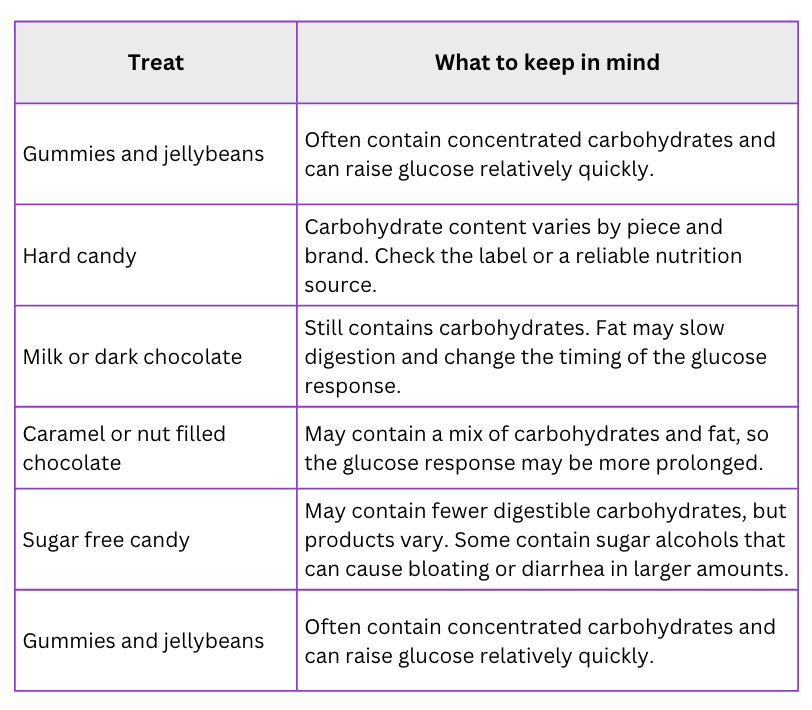
A quick comparison of common Halloween treats
These are general observations, not a ranking of which candy is safest. Check the carbohydrate content and serving size, and use the guidance provided by your healthcare team.
What Does the Research Say About Managing Blood Sugar?
The most useful evidence for Halloween planning comes from established diabetes guidance on carbohydrates, meal planning, glucose monitoring, and hypoglycemia safety.
The CDC: Carbohydrate awareness can support glucose management
The Centers for Disease Control and Prevention explains that carbohydrates raise blood glucose and that tracking carbohydrate intake can help many people manage their levels. The CDC also notes that individual carbohydrate needs vary according to factors such as age, weight, activity, and treatment. [3,4]
What this means: Knowing the approximate carbohydrate content of a candy serving can help you plan how it fits into your day.
What this does not mean: There is no single carbohydrate limit or candy portion that works for everyone with diabetes. People who use insulin may have specific carbohydrate counting and insulin dosing instructions from their care team.
The American Diabetes Association: Halloween can still be enjoyable
The American Diabetes Association's Halloween guidance recommends planning treats ahead of time, helping children make choices, and keeping the focus on the holiday's activities as well as the sweets. Its more recent 2026 Halloween guidance also emphasizes that candy can fit into an eating plan with preparation and appropriate portions. [1,2]
What this means: Halloween does not need to become a day of shame, strict food rules, or exclusion from celebrations. A plan that allows people to enjoy the holiday can be more practical than treating all sweets as forbidden.
What this does not mean: Candy has no effect on glucose or that everyone can eat unlimited amounts without consequences. People still need to consider their individual treatment plan and glucose targets.
The CDC: Meal planning and food combinations matter
The CDC notes that carbohydrate foods eaten with protein, fat, or fiber may raise glucose more slowly than some carbohydrates eaten alone. Its meal planning guidance also recommends balanced meals and individualized carbohydrate goals. [4]
What this means: A regular meal pattern and a balanced plate can help make Halloween easier to navigate than skipping meals and arriving at the candy bowl extremely hungry.
What this does not mean: Eating protein or fat with sweets guarantees that blood glucose will stay within range.
A key distinction: Managing high glucose is not the same as treating low glucose
People taking insulin or certain diabetes medications may experience hypoglycemia, meaning blood glucose that is too low. The CDC identifies a reading below 70 mg/dL as low for many people with diabetes and describes the 15 to 15 rule for treating it. [5]
This matters during Halloween because candy is not simply a food to limit. Certain fast acting sweets can also be useful for treating low blood glucose when appropriate.
If your glucose is low, follow your prescribed hypoglycemia plan rather than treating all candy as something to avoid.
7 Practical Ways to Make Halloween Less Scary for Blood Sugar
You do not need a complicated set of rules to prepare for Halloween. A few practical habits can help you enjoy the festivities while staying mindful of your health.
1. Pick your favorites before the candy bowl opens
Instead of sampling everything without thinking, choose the treats you genuinely enjoy. Planning a portion can make it easier to keep track of your carbohydrate intake without feeling that you must miss out.
2. Check the carbohydrate content
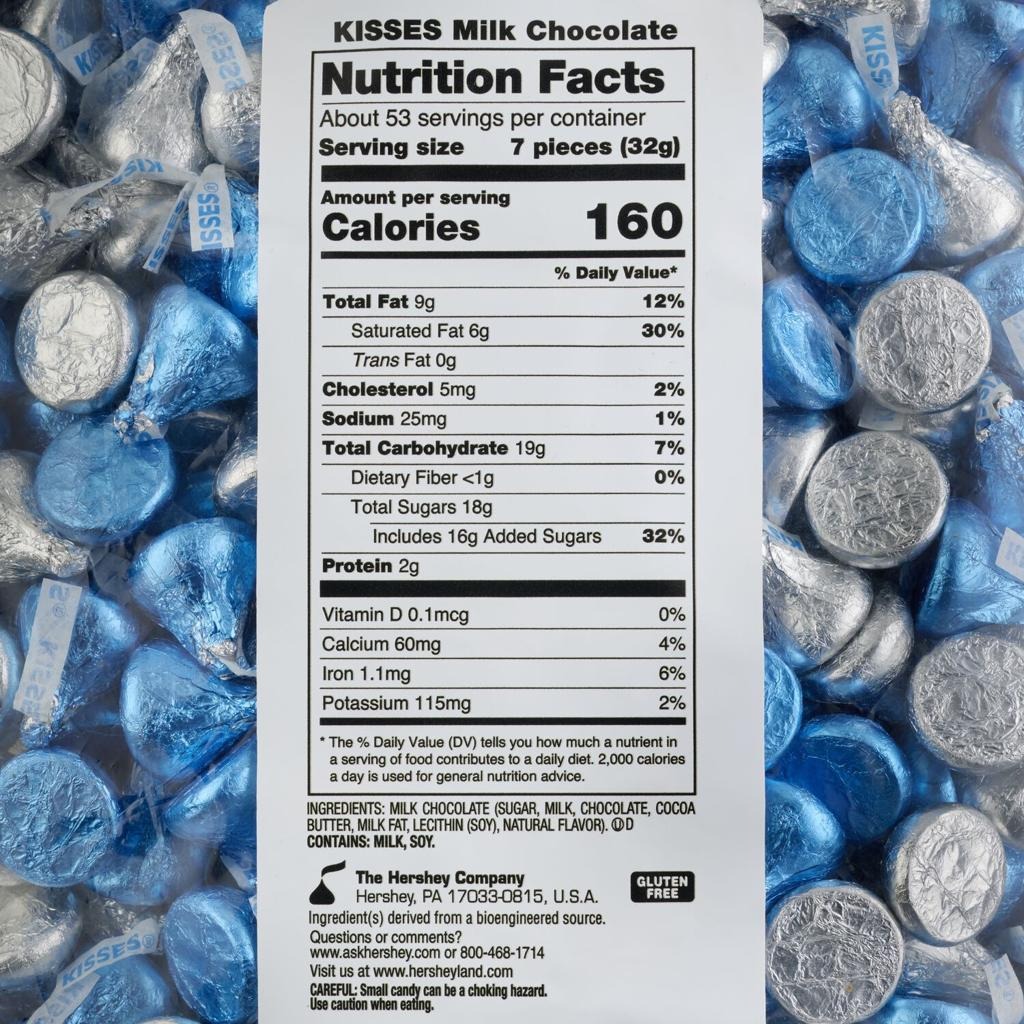
Fun size wrappers do not always display complete nutrition information. Look up the product's nutrition facts when needed and pay attention to the serving size. The American Diabetes Association recommends checking candy carbohydrate information in advance when planning for Halloween. [1]
3. Keep your regular meals on schedule
Skipping meals to make room for candy can make planning more difficult and may increase the risk of low glucose for people taking certain medications. Eat according to your usual care plan, and avoid making drastic changes just because it is Halloween. [3,4]
4. Make the celebration about more than sweets
Trick or treating, costumes, pumpkin carving, and time with friends can be the highlight of the night. If you are hosting, consider nonfood prizes and activities so that candy is not the only focus.
5. Follow your glucose monitoring plan
If you use a glucose meter or continuous glucose monitor, follow the schedule recommended by your healthcare team. Monitoring can help you understand your individual responses to food and activity. Do not change your monitoring schedule or medication doses based solely on general online advice. [3]
6. Choose drinks thoughtfully
Water or unsweetened drinks can help you stay hydrated without adding the carbohydrates found in many sugary drinks. If you are treating a confirmed low blood glucose, however, follow your hypoglycemia plan, which may call for a fast acting source of carbohydrate. [3,5]
7. Put the leftover candy away after the celebration
Keeping treats in a designated container and choosing when to enjoy them can reduce mindless snacking. This is about making a practical plan, not treating food as a reward or punishment.
Prediabetes means blood glucose levels are higher than normal but not high enough to meet the diagnostic criteria for diabetes. It is an opportunity to discuss your health and future risk with a healthcare professional.
If you have prediabetes, you do not necessarily need to avoid Halloween candy completely. Paying attention to portions, choosing balanced meals, staying physically active, and limiting sugary drinks can support broader healthy eating habits. The best approach depends on your overall health and individual goals.
It is also important not to assume that you have a blood sugar problem based on feeling tired after eating sweets or experiencing a sugar craving. Symptoms alone cannot diagnose prediabetes or diabetes. A healthcare professional can explain whether blood glucose testing is appropriate.
What Are the Risks of Poorly Managed Blood Sugar?
Blood glucose that repeatedly stays above an individual's target range can contribute to long term complications, including damage affecting the eyes, kidneys, nerves, heart, and blood vessels. The risk depends on a range of factors, including the type and duration of diabetes and overall health. [6]
There is no need to panic over a single treat. What matters more is the broader pattern of glucose management and following your treatment plan.
High glucose can also become urgent in certain circumstances. If you have diabetes and are sick with blood glucose of 240 mg/dL or higher, CDC guidance advises checking ketones if you have the appropriate testing supplies and contacting your healthcare professional if ketones are high. High ketones can signal diabetic ketoacidosis, a medical emergency. Follow your established sick day plan and seek urgent care for symptoms that suggest an emergency. [3]
Low blood glucose requires attention, too. If someone is confused, unconscious, having a seizure, or unable to swallow safely, do not give food or drink by mouth. Call emergency services and use prescribed glucagon if available and you know how to administer it.
Never adjust insulin or other diabetes medication to compensate for Halloween candy unless you are following an individualized plan from your healthcare team.
How Mindspark Health Approaches Personalized Metabolic Health
Blood sugar management is about more than one food or one holiday. It involves understanding how nutrition, physical activity, sleep, medications, medical history, and individual health goals fit together.
Mindspark Health is a functional and integrative telehealth practice based in Brea, Orange County, California, serving patients across California, Arizona, Nevada, Oregon, and Washington.
For people seeking a more personalized approach to their health, a consultation may provide an opportunity to discuss metabolic health concerns, review relevant health history, and explore appropriate next steps with a healthcare professional.
Depending on the individual's needs and the services available, relevant topics may include:
Nutrition and eating patterns: Understanding how everyday food choices fit into personal health goals.
Metabolic health: Discussing concerns about blood glucose, weight management, or other metabolic risk factors.
Medication and supplement review: Identifying questions about current treatments and discussing safety concerns.
Individualized evaluation: Determining whether medical assessment or laboratory testing is appropriate.
Follow up and coordination: Considering how health goals and any treatment plan should be reviewed over time, including coordination with existing care when needed.
Mindspark Health should not replace a patient's established diabetes care team or individualized diabetes education. People who use insulin or medications that can cause low blood glucose need guidance tailored to their treatment, not a one size fits all Halloween plan.
The goal is to help people make informed choices and understand the bigger picture of their health without unnecessary fear or restrictive food rules.
Frequently Asked Questions About Halloween Candy and Blood Sugar
1. Can people with diabetes eat Halloween candy?
Yes, many people with diabetes can enjoy Halloween candy in moderation as part of an individualized eating and treatment plan. Planning portions and understanding carbohydrate content can help, but the right approach depends on the person's medications, glucose targets, and health needs. [1,2]
2. What Halloween candy raises blood sugar the fastest?
Candy containing readily absorbed carbohydrates, such as many gummies and hard candies, can raise blood glucose relatively quickly. The amount eaten, the product's ingredients, and individual factors affect the response. Check the carbohydrate information and follow your care plan.
3. Should people with diabetes avoid sugar completely?
No. People with diabetes do not necessarily need to eliminate sugar or all carbohydrates. They may need to plan portions and carbohydrate intake according to their treatment and individual glucose goals. [3,4]
4. Does eating protein with candy prevent a blood sugar spike?
No. Protein, fat, and fiber can slow the rate at which some carbohydrates raise blood glucose, but they do not cancel out the carbohydrates in candy or guarantee a stable glucose level. [4]
5. Are sugar free candies better for diabetes?
Not automatically. Some sugar free products contain fewer digestible carbohydrates, while others contain ingredients that can still affect blood glucose. Sugar alcohols may also cause digestive discomfort in larger amounts. Compare nutrition labels and serving sizes rather than relying on the words “sugar free.”
6. Should I skip a meal to make room for Halloween candy?
Generally, you should not skip meals or make drastic dietary changes without guidance from your healthcare team. Missing meals can contribute to low blood glucose in people taking insulin or certain diabetes medications. Follow your usual meal and medication plan. [3,5]
7. What should I do if my blood sugar drops too low on Halloween?
Follow your personal hypoglycemia treatment plan. The CDC's general 15 to 15 rule for many people is to consume 15 grams of fast acting carbohydrates, wait 15 minutes, and recheck glucose, repeating if it remains below 70 mg/dL. Young children and some people using automated insulin delivery may need different instructions. Severe symptoms require emergency assistance. [5]
8. Can walking after eating help manage blood sugar?
Physical activity can affect glucose levels, but the response varies according to the person, activity, and medication. A walk may be a reasonable part of a person's usual routine, but people who use insulin or medications that can cause low glucose should follow their care team's advice about activity and monitoring. Do not use exercise as a way to compensate for eating candy.
9. Can people with prediabetes enjoy Halloween candy?
Often, yes. Candy does not automatically have to be off limits, but portions and overall eating patterns matter. A healthcare professional can help you understand your individual risks and decide whether further assessment or changes to your eating habits are appropriate.
10. Where can I learn more about personalized metabolic health care near Brea, California?
Mindspark Health is based in Brea, Orange County, California, and offers telehealth services across California, Arizona, Nevada, Oregon, and Washington. Visit mindsparkhealth.com or call or text (714) 695-5837 to learn more about the practice and its available services.
Why Choose Mindspark Health?
Health advice can sometimes make managing blood sugar feel more complicated than it needs to be. One source says to cut out all sugar, another recommends a supplement, and another promises that a particular food combination will prevent glucose spikes.
Real health decisions deserve more than catchy claims.
Mindspark Health takes a functional and integrative approach that considers the broader picture of an individual's health, history, and goals. For people exploring metabolic health concerns, a personalized conversation can help identify questions to discuss and appropriate next steps.
No single food rule works for everyone, and no holiday tip replaces an individualized diabetes care plan. The aim is to help people make informed, sustainable choices that fit their lives.
This Halloween, Choose Less Fear and More Planning
Halloween candy does not have to be the villain of the story. Understanding carbohydrates, planning portions, keeping regular meals, and following your glucose monitoring and medication instructions can help make the holiday more manageable.
If you live with diabetes, remember that your care plan matters more than a generic list of forbidden foods. If you have concerns about blood sugar, prediabetes, or metabolic health, a qualified healthcare professional can help you understand what steps may be appropriate for you.
Want to learn more about personalized health care?
Call or text Mindspark Health at (714) 695-5837, or visit https://mindsparkhealth.com/ to explore the practice and learn about becoming a patient.
Medical disclaimer: This article is for educational purposes only. It does not replace individualized medical advice, diabetes education, diagnosis, or treatment. Do not change prescribed medication doses based on this article. Follow your healthcare team's instructions for managing high or low blood glucose.
7. American Diabetes Association Professional Practice Committee. Facilitating Positive Health Behaviors and Well-being to Improve Health Outcomes: Standards of Care in Diabetes, 2026. Diabetes Care. 2026;49(Supplement 1). https://doi.org/10.2337/dc26-S005
Read more from Mindspark
Evidence-based insights, patient stories, and actionable tips for your health journey.