
.webp)

Peptide Therapy in Brea, Orange County, California - Serving Patients Across California, Arizona, Nevada, Oregon & Washington
A Different Approach to Inflammation
Chronic inflammation is now understood to be at the root of many modern health concerns, including digestive issues, skin conditions, immune dysregulation, and long term systemic imbalance.
Many people across Brea, Fullerton, Anaheim, Irvine, and throughout Orange County are beginning to notice patterns such as
- Persistent gut discomfort
- Recurring skin flare ups
- Slow healing
- Ongoing fatigue
- or a general sense that the body is not fully recovering
This has led to growing interest in more targeted approaches that work with the body’s natural systems. One peptide that continues to come up in both research and clinical conversations is KPV.
What Is KPV
KPV (Lys Pro Val) is a tripeptide, meaning it is made up of three amino acids: lysine, proline, and valine.
It is derived from the C terminal end of alpha melanocyte stimulating hormone, also known as a MSH, which is one of the body’s most powerful natural anti-inflammatory compounds.
Extensive research has shown that α MSH can regulate inflammation across multiple systems including the gut, skin, brain, lungs, and immune system. However, its clinical use has been limited because it also stimulates melanin production, which can lead to unwanted pigmentation changes.
KPV is unique because it retains the anti-inflammatory properties of α MSH while eliminating its pigmentary effects, making it a more targeted and practical therapeutic option.
How KPV Works
.png)
KPV works through several key biological pathways that regulate inflammation at its source
1. NF κB Inhibition

NF κB is considered the master switch of inflammation. When activated, it triggers the release of inflammatory signals such as TNF α, IL 1β, and IL 6. KPV has been shown to inhibit NF κB and MAP kinase pathways at very low concentrations, helping reduce the overall inflammatory response at a foundational level.
2. PepT1 Transport System
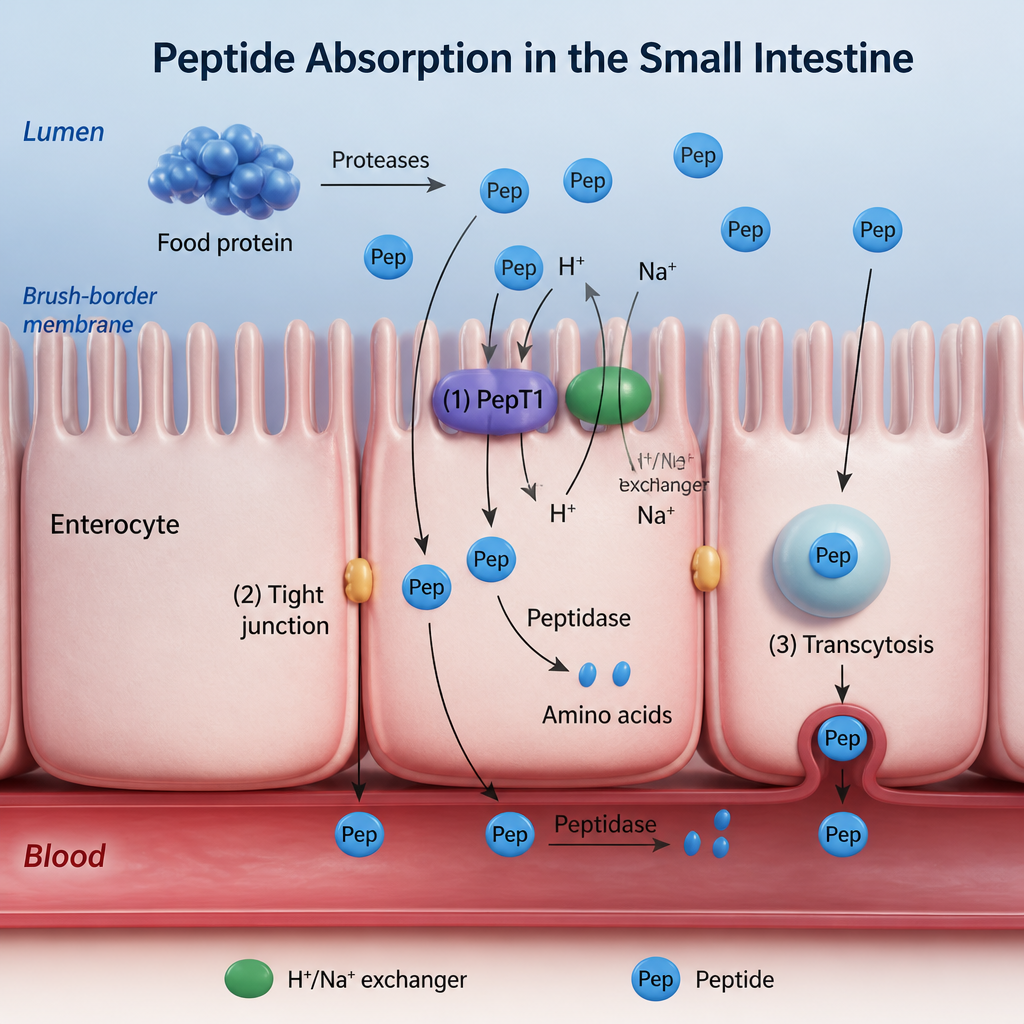
KPV enters cells through a transporter called PepT1, which is naturally present in the gut and becomes more active during inflammation. This means that in inflamed intestinal tissue, KPV is preferentially absorbed exactly where it is needed most, making it especially relevant for gut related conditions.
3. IL 1β Modulation
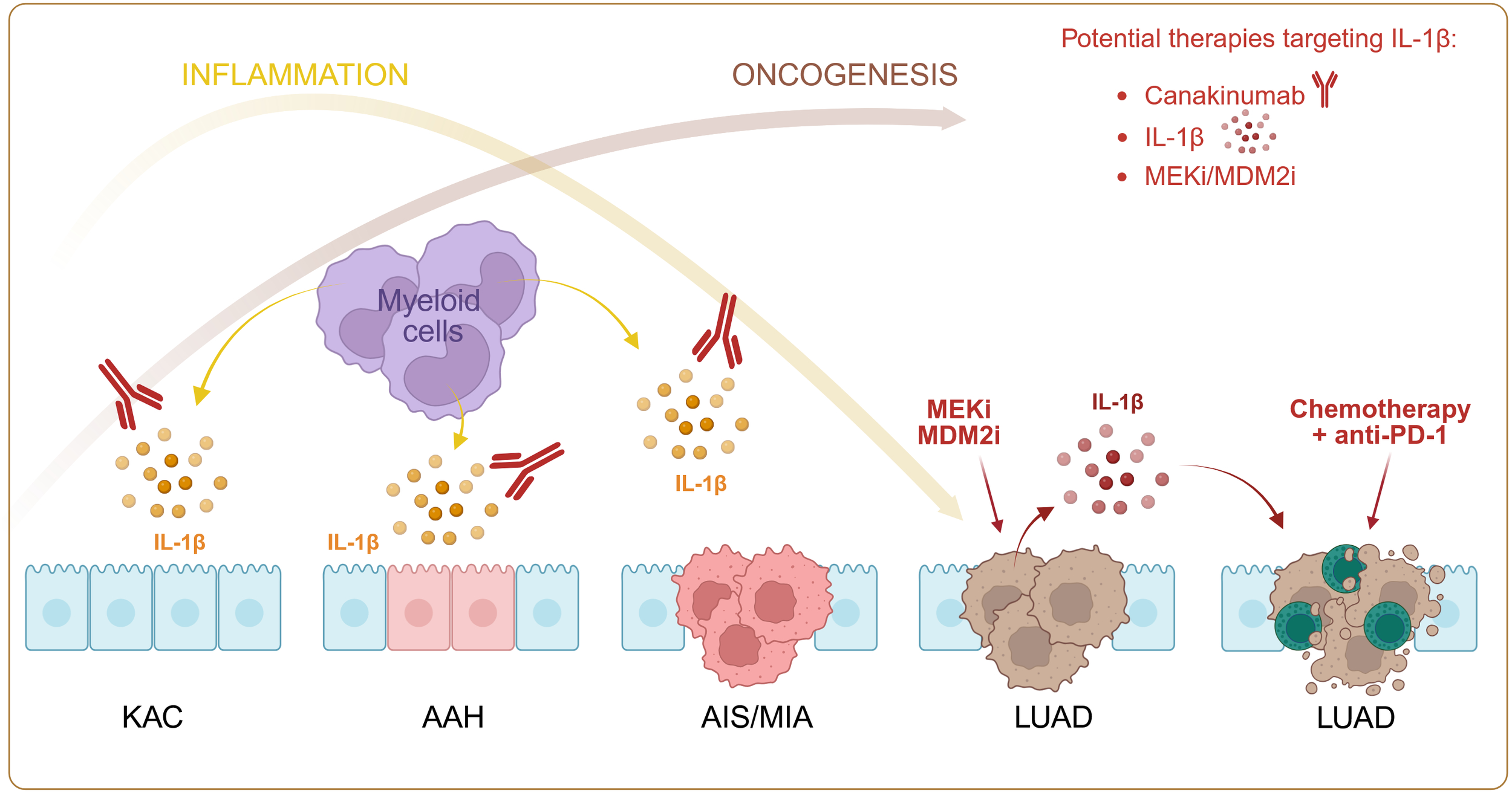
KPV appears to act independently of traditional melanocortin receptors and instead works by inhibiting IL 1β, one of the most potent inflammatory signaling molecules in the body. This allows it to function across a wide range of tissues without relying on a single receptor pathway.
4. Reduction of Inflammatory Cell Migration
KPV reduces the movement of inflammatory immune cells such as neutrophils into affected tissues, helping limit tissue damage and excessive inflammatory response.
What the Research Shows: Gut Health and Inflammatory Bowel Conditions KPV has shown particularly strong results in models of inflammatory bowel disease
- In DSS induced colitis, KPV improved recovery and reduced inflammatory cell infiltration
- In transfer colitis models, KPV supported weight recovery and reduced tissue damage
- In severe models, KPV prevented mortality associated with inflammation
- Oral administration reduced inflammatory cytokine expression in the gut
- Advanced delivery systems such as nanoparticles and hydrogels enhanced its ability to protect intestinal lining and reduce damage
What the Research Shows: Skin Inflammation and Wound Healing
.png)
KPV and related peptides have demonstrated benefits in
- Eczema and dermatitis models
- Skin inflammation and hypersensitivity reactions
- Wound healing and tissue repair
Studies suggest KPV can reduce inflammation, support tissue regeneration, and improve skin barrier function.
Antimicrobial Effects
KPV has demonstrated the ability to inhibit common pathogens such as Staphylococcus aureus and Candida albicans
Unlike traditional anti-inflammatory medications, KPV does not suppress immune defense.
Instead, it may enhance the body’s ability to respond to infections while reducing excessive inflammation
Systemic Inflammation
Modified versions of KPV have shown the ability to reduce systemic inflammatory markers such as TNF α and nitric oxide in both cellular and animal models
Respiratory and Allergic Inflammation
.png)
Research suggests KPV related pathways may help reduce
- Allergic airway inflammation
- Immune overreaction
- Inflammatory signaling associated with asthma
Joint and Inflammatory Conditions
KPV related peptides have been identified as a potential class of anti inflammatory and immune regulating compounds with relevance for joint inflammation and early stage arthritis
Cardiovascular and Vascular Health
Emerging research suggests KPV may help reduce vascular calcification by addressing inflammation and supporting cellular cleanup processes such as autophagy
Neuroinflammation and Brain Health
While still being explored, melanocortin pathways associated with KPV have demonstrated neuroprotective effects including
- Reduced inflammatory signaling in the brain
- Protection against cellular stress
- Support for recovery after neurological injury
Safety Profile
KPV has demonstrated a strong safety profile in research
- It is derived from a naturally occurring peptide already present in the body
- It does not produce the pigmentation effects seen with α MSH
- It has shown biocompatibility and low toxicity in multiple studies
- It has favorable properties for absorption and use in different delivery methods
As with all peptide therapies, proper sourcing and medical supervision are essential
Who May Benefit from KPV
KPV may be considered for individuals experiencing
- Chronic gut inflammation or inflammatory bowel conditions
- Irritable bowel symptoms with inflammatory features
- Skin conditions such as eczema or dermatitis
- Slow wound healing
- Autoimmune related inflammation
- Aystemic inflammation
- Recurrent infections with inflammatory component
- Allergic conditions
- Joint inflammation
- Post procedure recovery



.webp)
.png)
.png)
.png)
.webp)






.webp)